Travelling Light on Fragile Ground
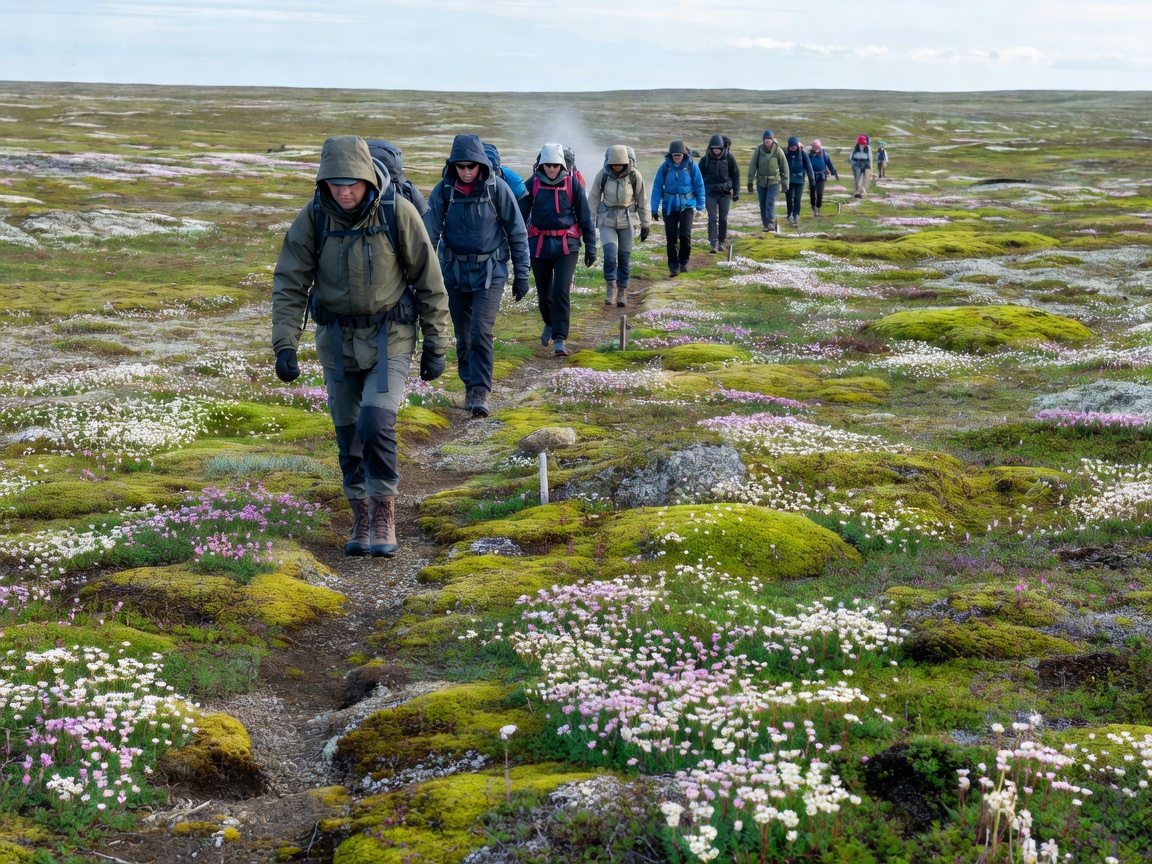
Field note · The tundra underfoot
Why a Footprint Lasts So Long
Kneel down on Svalbard's tundra in July and you will find a miniature forest: polar willow no taller than your thumb, purple saxifrage, mosses and lichens that may have taken decades to cover a few square metres. The growing season is short and cold, so a track worn by boots or a vehicle can stay visible for years.
That is the heart of low-impact Arctic travel. Visitors are not the main threat to the region — climate change is — but local pressures add up quickly in places this slow to recover. The good news is that the habits that protect the land are mostly the same habits that keep you safe.
Polar Safety Checklist
Use this list before any trip outside a settlement. It summarises widely shared guidance from Arctic authorities and expedition operators; it does not replace a local guide or official rules.
- Travel with a licensed guide or with proven polar skills, and carry suitable polar bear protection wherever it is required, as it is outside Svalbard's settlements.
- Register longer independent trips in Svalbard with the Governor's office, as required for travel in many areas, and leave a route plan with someone reliable.
- Carry layered windproof clothing, spare dry gloves and a hat even on sunny summer days; weather can turn within an hour.
- Bring a means of communication that works without phone coverage, such as a satellite messenger or emergency beacon.
- Never walk on glaciers without rope, crampons and a trained leader, and stay away from calving fronts and stranded icebergs.
- Keep a distance from all wildlife that does not change its behaviour; retreat calmly if it does.
- Stay on existing paths and durable surfaces such as gravel or rock; avoid walking on soft vegetation and bird nesting areas.
- Do not touch, move or take cultural remains; in Svalbard, anything from before 1946 is protected by law.
- Take all waste home, including food scraps and toilet paper where facilities are lacking.
- Check local weather, ice and avalanche warnings every morning and turn back early rather than late.
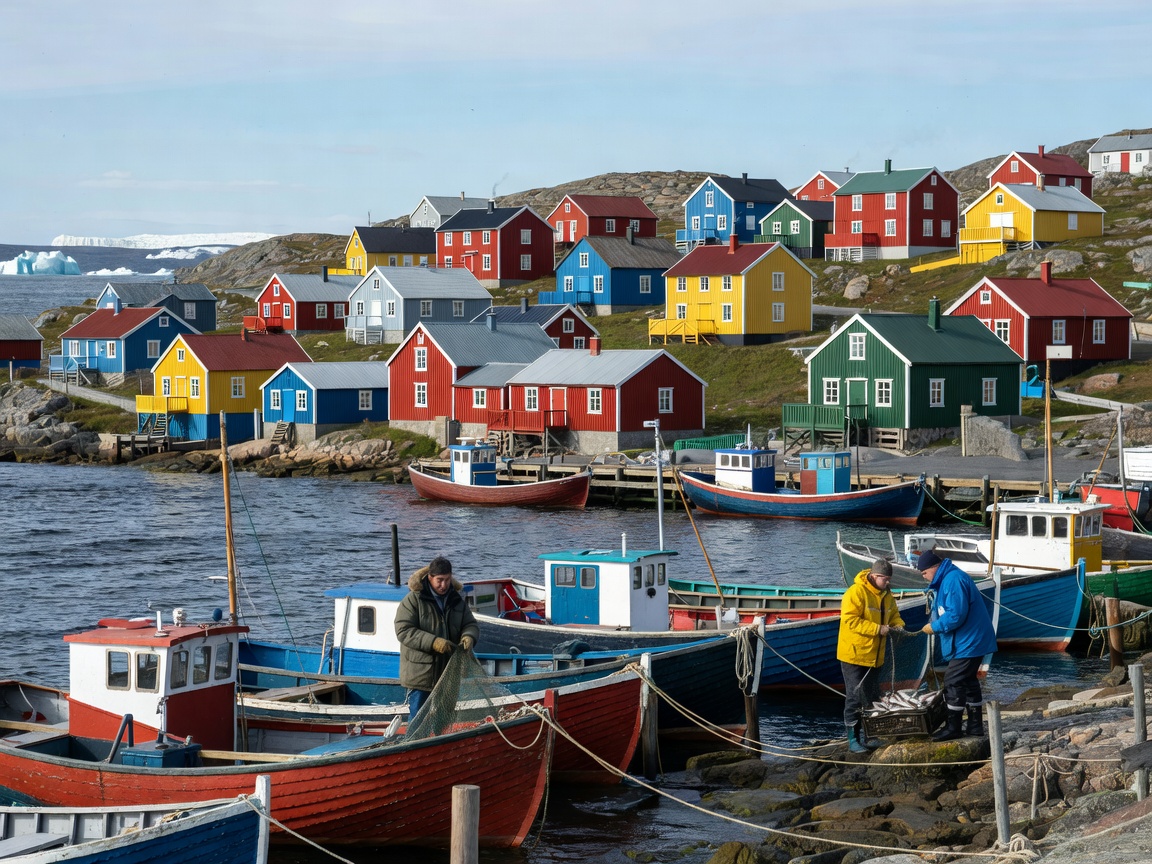
Field note · Ilulissat, Greenland
Visiting Someone's Home Town
Ilulissat's harbour is a working harbour. Halibut boats unload, sled dogs howl on the slopes behind town in summer and families go about their day. Kalaallit, the Greenlandic Inuit, make up most of the population, and the town is a community long before it is a destination.
Ask before photographing people, especially children and hunters with their catch. Leave sled dogs alone; they are working animals, not pets. When you spend money, choose Greenlandic guides, accommodation and crafts where you can, and check that crafts made from animal products come with the paperwork you will need to take them home legally.
Choosing How to Travel
Expedition ships reach remote coasts that would otherwise take weeks to visit, but size matters. Smaller vessels can land fewer people at a time, which keeps groups quieter around wildlife. Members of the Association of Arctic Expedition Cruise Operators (AECO) agree to follow its guidelines on landings, wildlife distances and biosecurity, and AECO publishes site-specific guidelines for many popular landing places in Svalbard and Greenland.
Land-based trips from a base such as Longyearbyen or Ilulissat put more of your money into local communities and let you return to the same landscapes in different light. Either way, ask operators direct questions: how many guests land at once, what training guides have, how they handle bears and how they deal with waste and fuel.
Biosecurity and Leaving Nothing Behind
Seeds and soil carried in boot treads and on Velcro can introduce non-native plants to Arctic islands. Many expedition operators now ask passengers to vacuum outerwear and scrub boots before landings. It takes ten minutes and protects plant communities that evolved in isolation.
Do not build cairns, carve names or move stones for photographs. Skip the "souvenir" of a whale bone or a feather from a historic site; in Svalbard, removing such items from protected heritage areas is illegal, and elsewhere it simply strips the place of the details the next visitor came to see.
The Carbon Question
Getting to the Arctic almost always means flying, and many ships still burn heavy fuels. There is no way to make a polar trip carbon-free. What travellers can do is go less often and stay longer, choose operators that publish their environmental performance, and use the trip to understand changes they can talk about at home. Svalbard regulations already restrict heavy fuel oil in much of its protected waters, a sign of how seriously the issue is taken locally.
Official Sources
- Governor of Svalbard (Sysselmesteren) (opens in new tab) — safety, registration and environmental regulations.
- AECO guidelines (opens in new tab) — visitor, wildlife and biosecurity codes.
- Visit Greenland (opens in new tab) — official national tourism information.
- Leave No Trace Seven Principles (opens in new tab) — the general framework behind low-impact outdoor travel.
Still have a question? Try the FAQ or draft us a message.