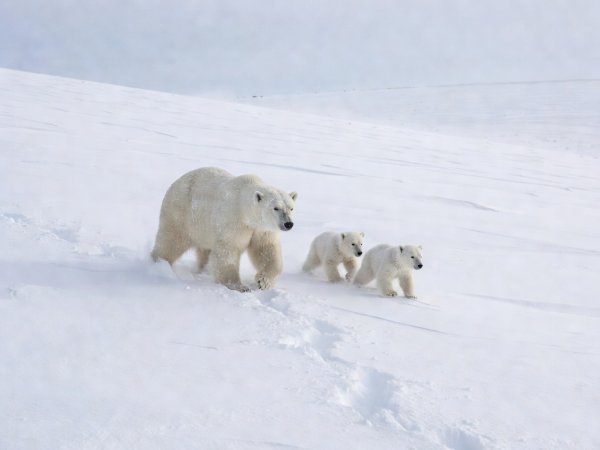
 Sea ice
Polar bear
Ursus maritimus spends most of its life on sea ice hunting ringed and bearded seals. Females den in snowdrifts on islands such as Kongsøya, emerging with cubs in spring.
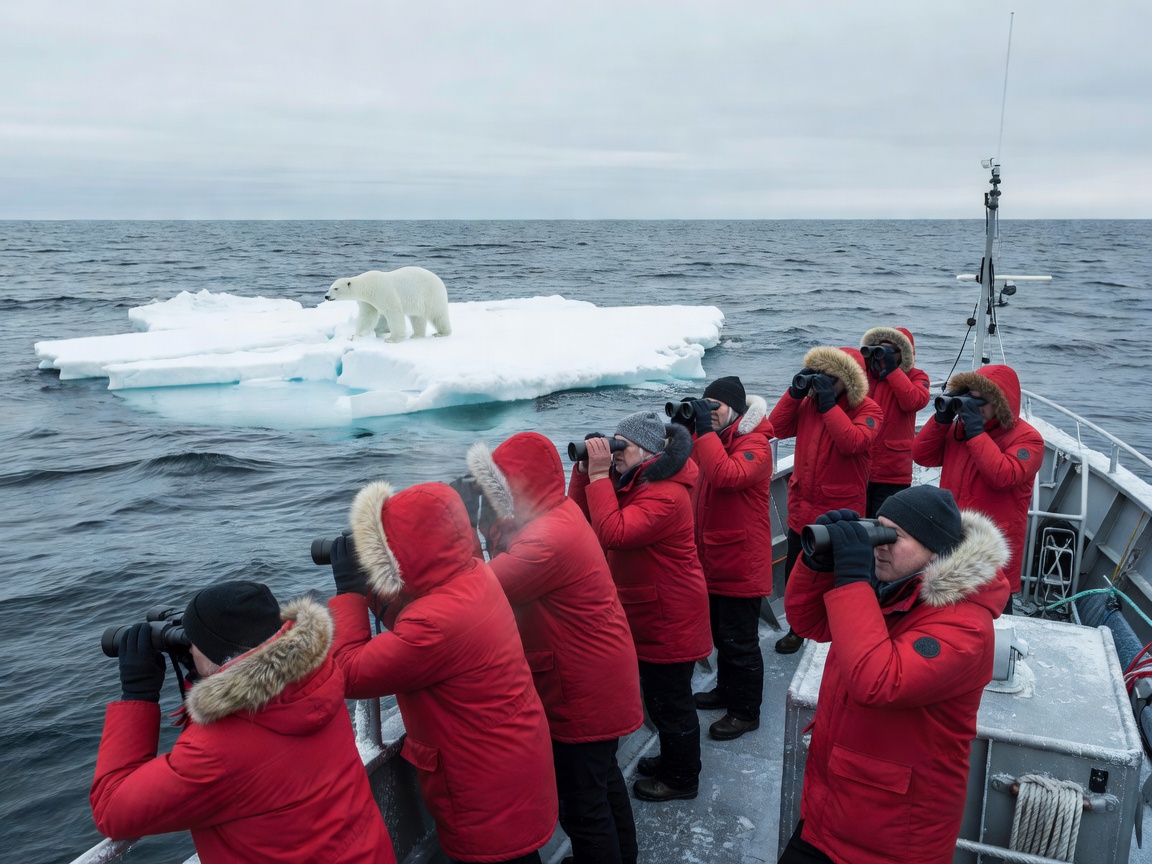
Field note · Along the ice edge
Most people picture polar bears padding past a hotel window. The reality in Svalbard is quieter and more patient: hours on deck as a small ship noses along the edge of the drift ice north of Nordaustlandet, binoculars passed hand to hand, until someone spots a cream-coloured shape against the white. Bears follow the ice because the ice is where the seals are.
Land sightings happen, particularly when bears are stranded ashore in late summer, but they are not the norm, and they are exactly the moments when people get into trouble. Watching from a vessel, at a distance that leaves the bear undisturbed, is both the safest and the most rewarding way to see one.
Species notes
Each of these species is protected under the laws of the territory where you will meet it. Disturbing them is not only unkind; in Svalbard it is illegal.
Sea iceUrsus maritimus spends most of its life on sea ice hunting ringed and bearded seals. Females den in snowdrifts on islands such as Kongsøya, emerging with cubs in spring.
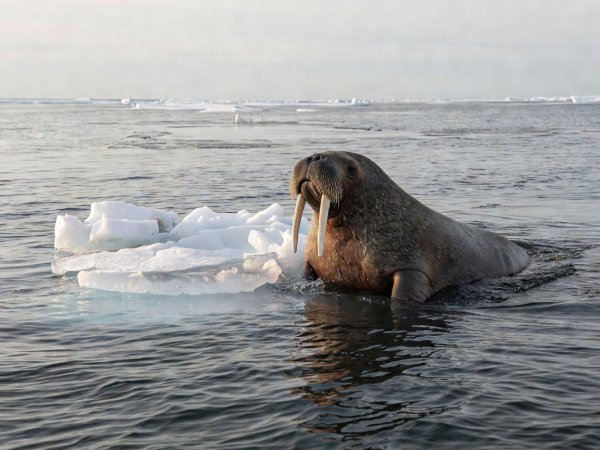 Shallow seas
Hunted almost to local extinction in Svalbard before protection in 1952, the walrus has slowly returned. It feeds on clams on the shallow seabed and rests on traditional beaches.
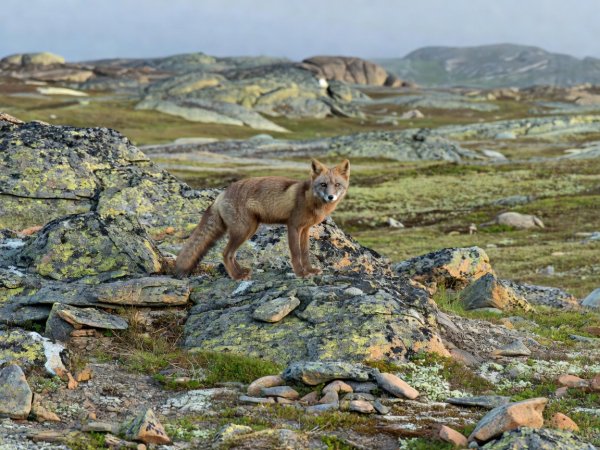 Tundra
Vulpes lagopus lives on both land and sea ice. In Svalbard it patrols bird cliffs in summer and can travel huge distances across frozen sea in winter.
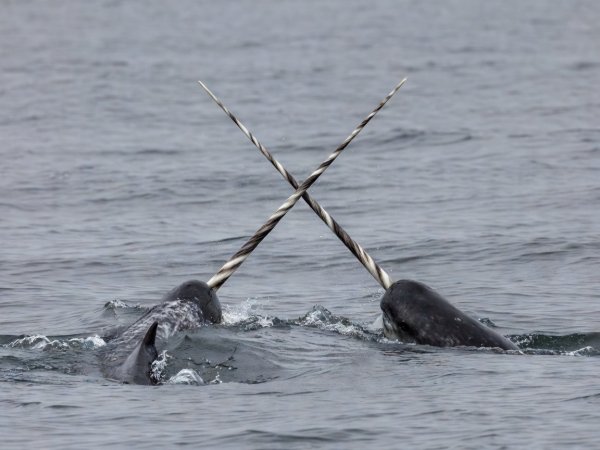 Deep water
Monodon monoceros is found mainly around Greenland and Arctic Canada. Its tusk is a long, sensory tooth, and Inuit communities still hunt narwhal under quota systems.
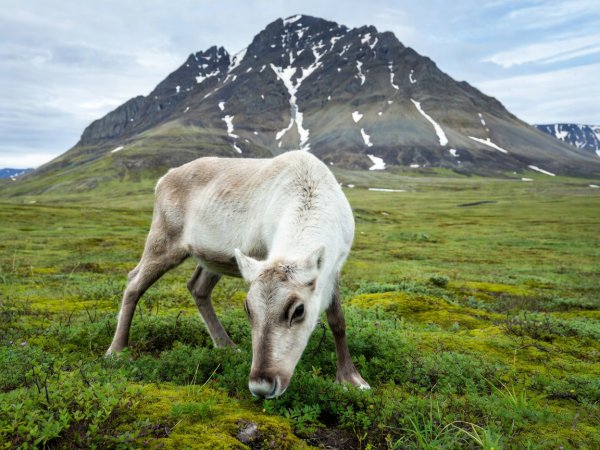 Endemic
A stocky subspecies found only in the archipelago, often grazing calmly near Longyearbyen. Calm does not mean tame: keep your distance and let it feed.
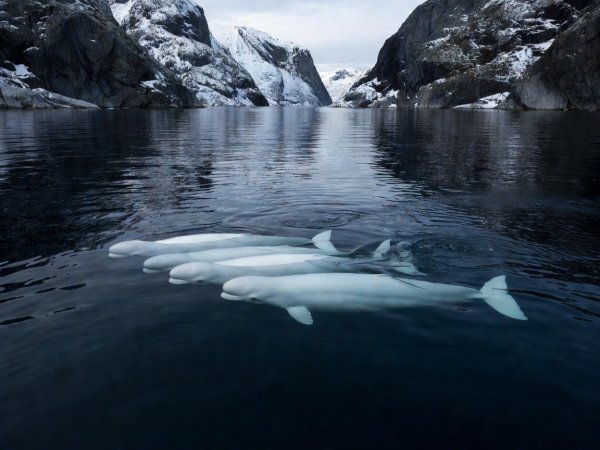 Coastal
The white whale travels along Svalbard's coasts and glacier fronts in pods, sometimes feeding where meltwater stirs up food at the face of the ice.
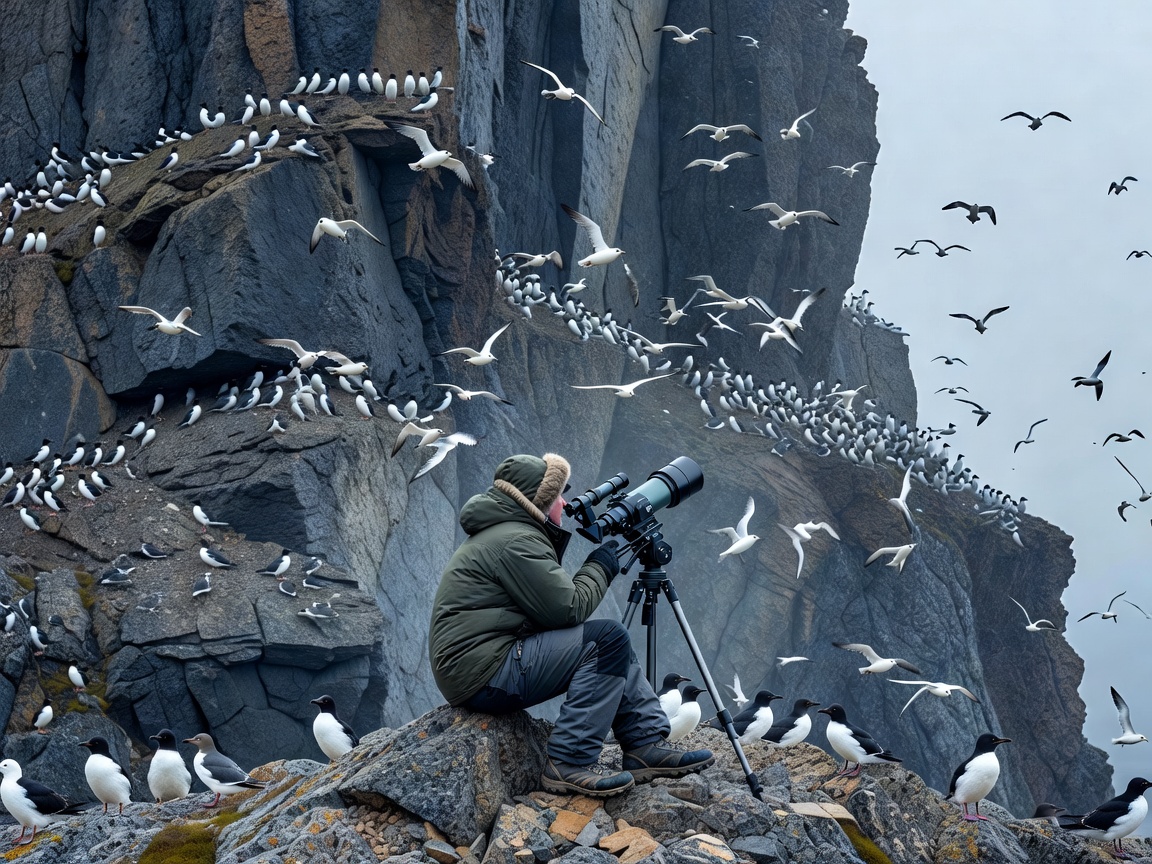
Field note · Bird cliffs
From June the cliffs fill with little auks, Brünnich's guillemots, kittiwakes and fulmars. The little auk, a starling-sized seabird, nests in vast numbers in scree slopes and is one of the most abundant birds in the Atlantic Arctic. Arctic terns arrive after one of the longest migrations of any animal, flying from Antarctic waters, and they defend their nests by diving at anyone who walks too close.
Bird cliffs are also fox and bear country. Foxes patrol the base for fallen eggs and chicks, and bears have been filmed climbing to raid nests. Sit quietly at a distance, stay off nesting slopes, and keep an eye on your surroundings as well as your telescope.
There is no single magic number that works for every animal, every season and every landscape, and this is the first thing experienced guides tell new visitors. The working rule used across the expedition industry, set out in the wildlife guidelines of the Association of Arctic Expedition Cruise Operators (AECO), is simple: if an animal changes its behaviour because of you, you are already too close. A walrus lifting its head and staring, a bear stopping to sniff the air towards you, a reindeer that stops grazing and walks away — each is a signal to back off.
In Svalbard the Environmental Protection Act makes it illegal to lure, pursue or disturb polar bears in a way that could put people or bears at risk. People have been fined for following bears by snowmobile and for approaching them for photographs. Bears that become used to people often end up shot in self-defence, which is why the gentlest thing a traveller can do is stay away.
Photographers: a long lens is the respectful tool. A 400 mm or longer lens lets you fill the frame without pushing an animal off its rest, hunt or nest. If the picture needs you to move closer, take a different picture.
In late winter and spring, from about March to May, Svalbard's fjords still hold sea ice and bears may hunt close to the coast, which is why snowmobile trips in that season come with strict guiding. Summer, from June to August, is ship season: the ice retreats north, bird cliffs reach full volume and walrus gather on traditional haul-outs such as those at Kapp Lee on Edgeøya and Poolepynten on Prins Karls Forland. In Greenland, Disko Bay summers bring humpback whales feeding among the icebergs near Ilulissat.
The polar night, from late October to mid-February, brings darkness and very little wildlife watching, but the animals are still there. Arctic foxes and reindeer move about in the blue twilight, and bears can wander into settlements unnoticed, which is one reason residents carry torches and stay alert even on the walk home.
Next chapter: the glaciers that feed these waters, or jump to the low-impact safety checklist.
We use cookies Some cookies are needed for the site to work. Others help us understand how it is used. You can change your choice later. Read more